
Course Content
-
Introduction
-
Rod Exercises and Planetary Forces
-
Sevenfold Rod Exercise
-
Twelvefold Rod Excercise
-
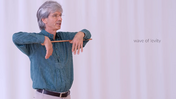
Basic aspects of the exercise
-
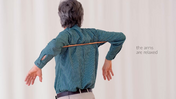
Tips & Tricks
-
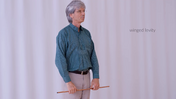
Stages of Levity
-
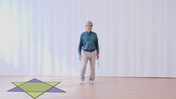
Twelvefold rod exercise with six pointed star
-
-
Spiral Rod Exercise
-
Basics and stages of execution
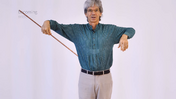
-
Tips & Tricks
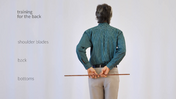
-
Spiral with spiral form
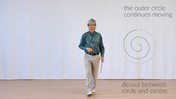
-
-
This is S
-
Basic aspects
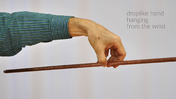
-
Stages of execution
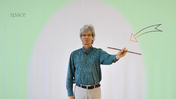
-
This is S rod exercise with the feet
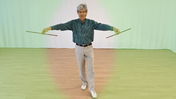
-
-
Qui Qui Rod Exercise
-
Basic aspects and stages of execution
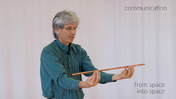
-
Qui Qui rod exercise with a six pointed star
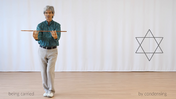
-
-
The Waterfall Rod Exercise
-
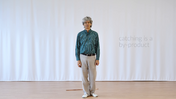
Basics - Just let go!
-
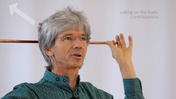
Tips & Tricks
-
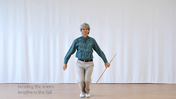
The Big Waterfall
-
The waterfall rod exercise moving forwards and back

-
-
Feedback
-
Questions & Feedback
-

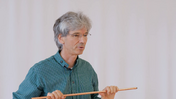

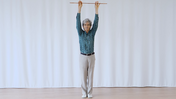
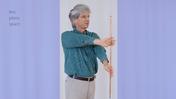
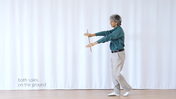
Twelvefold - Mars - The Forth
Auld Lang Syne - tin whistle version by Leyna Robinson-Stone
You can find the original music video on YouTube
ID Code: .T2xxb5t
To listen to the translation, tap the planet icon and select the language. PLEASE NOTE! The translation does not work on a smartphone.
Further examples of musical works where the perfect fourth sounds very clearly:
Amazing Grace. The melody opens with a very clear ascending perfect fourth. This spacious leap immediately gives the tune its open, calm and almost ‘breathing’ quality.
Dmitri Shostakovich’s Symphony No. 5, First Movement — the second subject. The lyrical second theme, beginning around bar 50, is characterised by long sustained notes connected by unusually wide melodic intervals. Perfect fourths, together with octaves and sevenths, are an important part of its sound.
Richard Wagner’s Tannhäuser — the Pilgrims’ Chorus (Pilgerchor). In the broad chorale-like statement of the pilgrims’ melody, fourths occur within slowly unfolding phrases and are separated by quieter melodic movement.